
Natural Pollination with hoverflies
We provide innovative pollination services using specially bred hoverflies to maximize your crop yield while promoting biodiversity.


Our Product
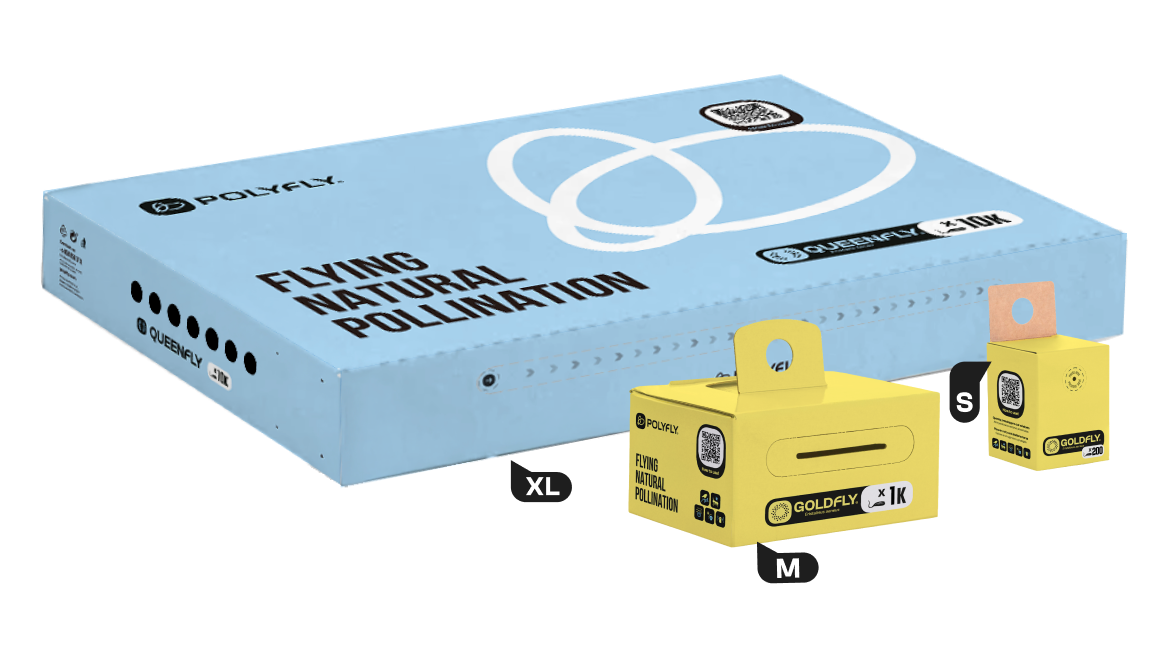
Five formats of ready-to-use, recyclable, boxes from 50 to 20,000 hoverfly pupae.
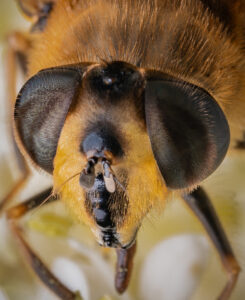
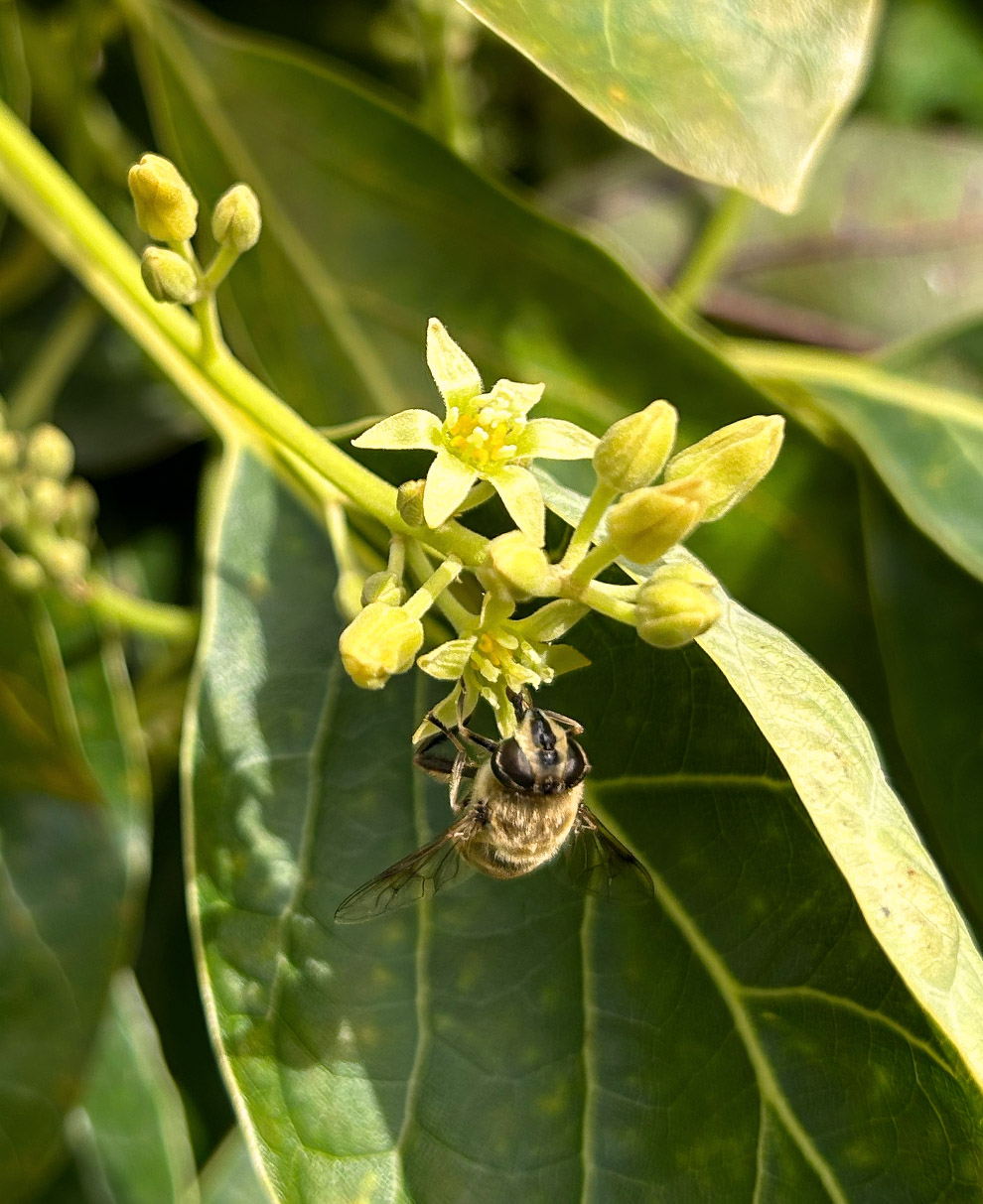
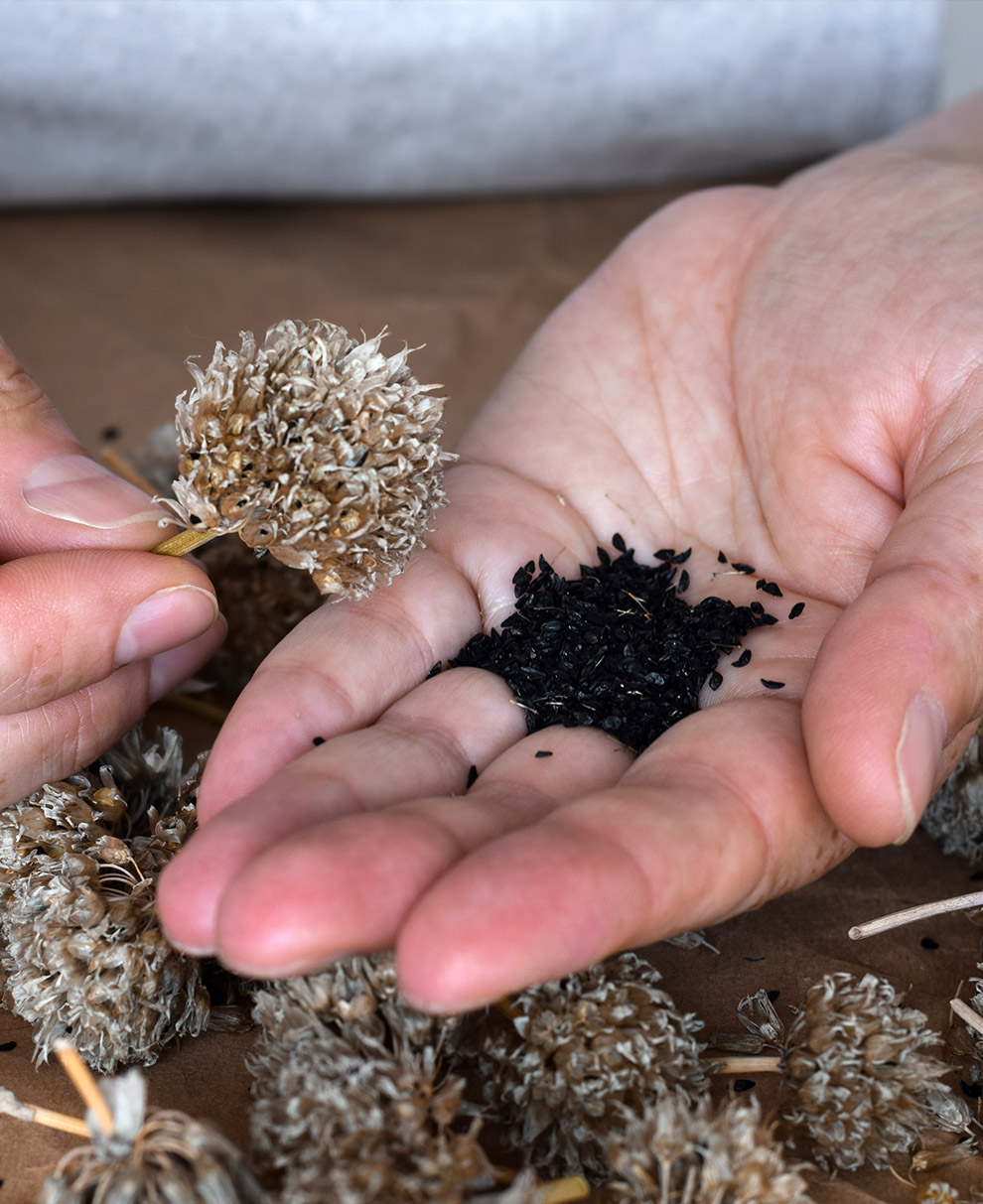
Pollination with hoverflies
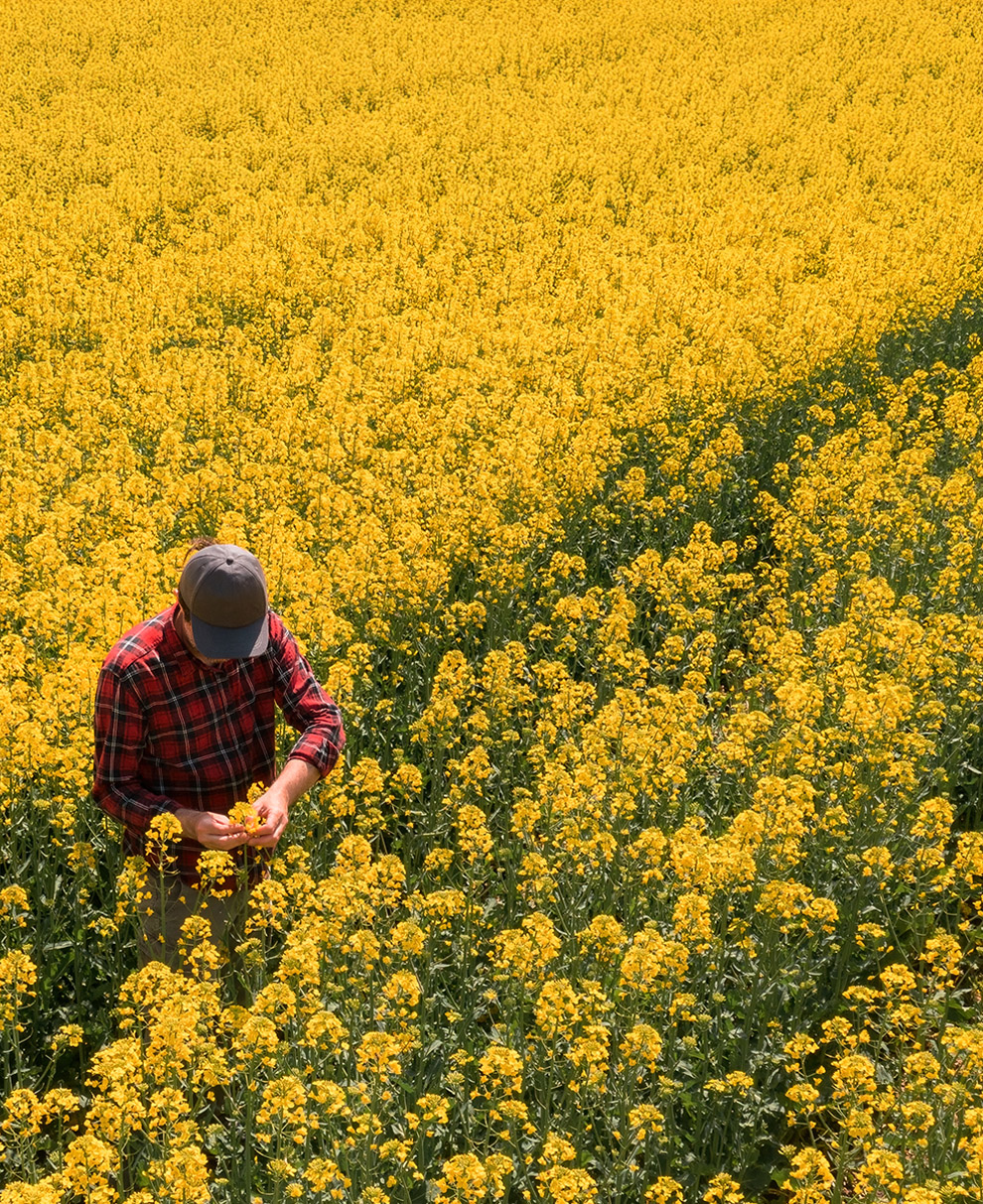
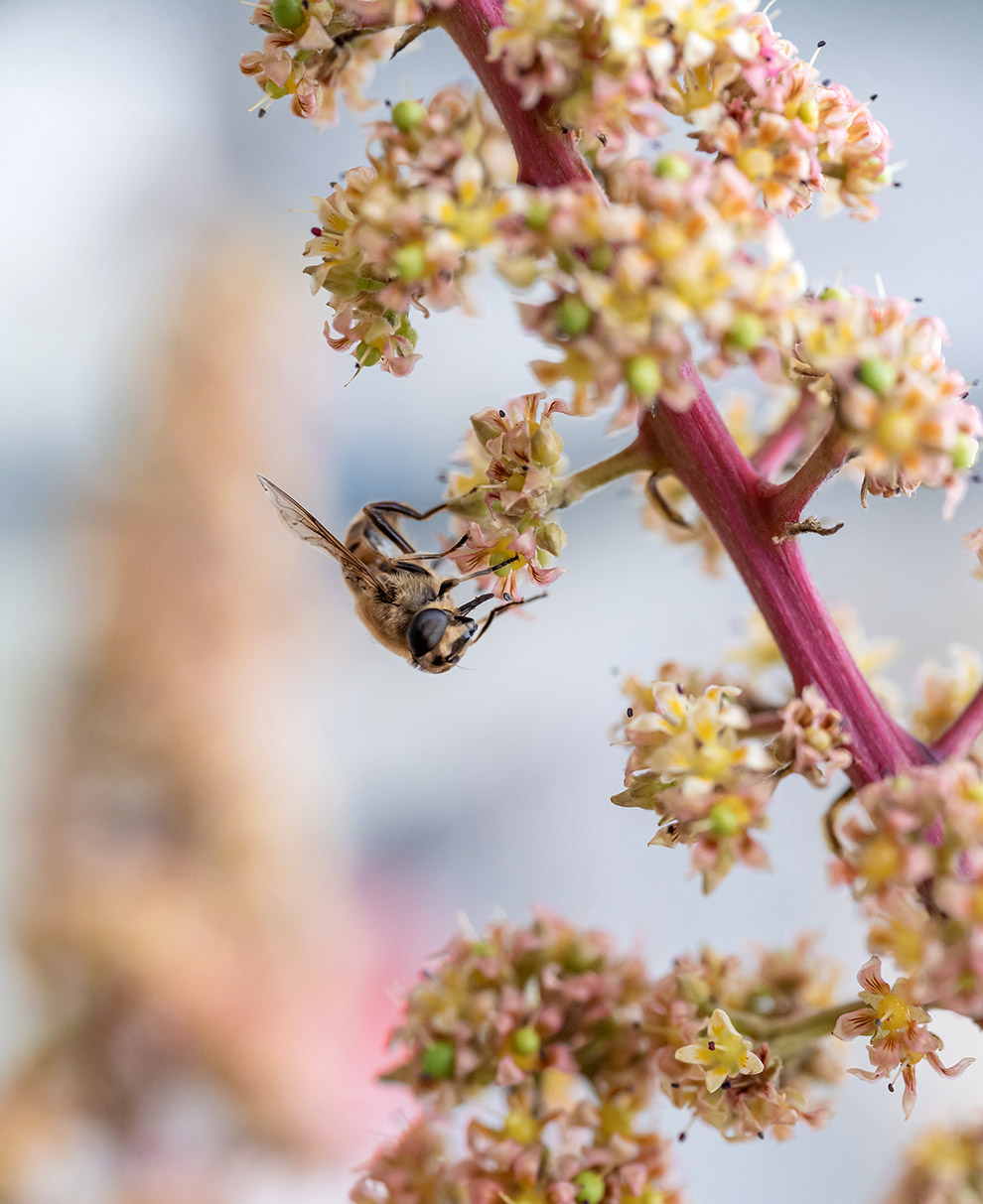
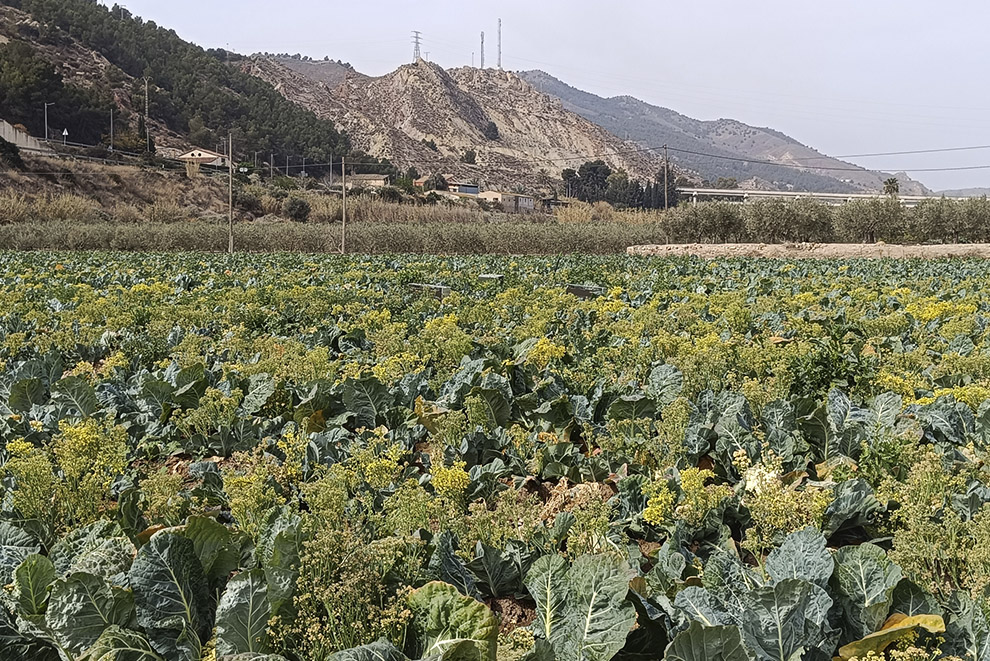
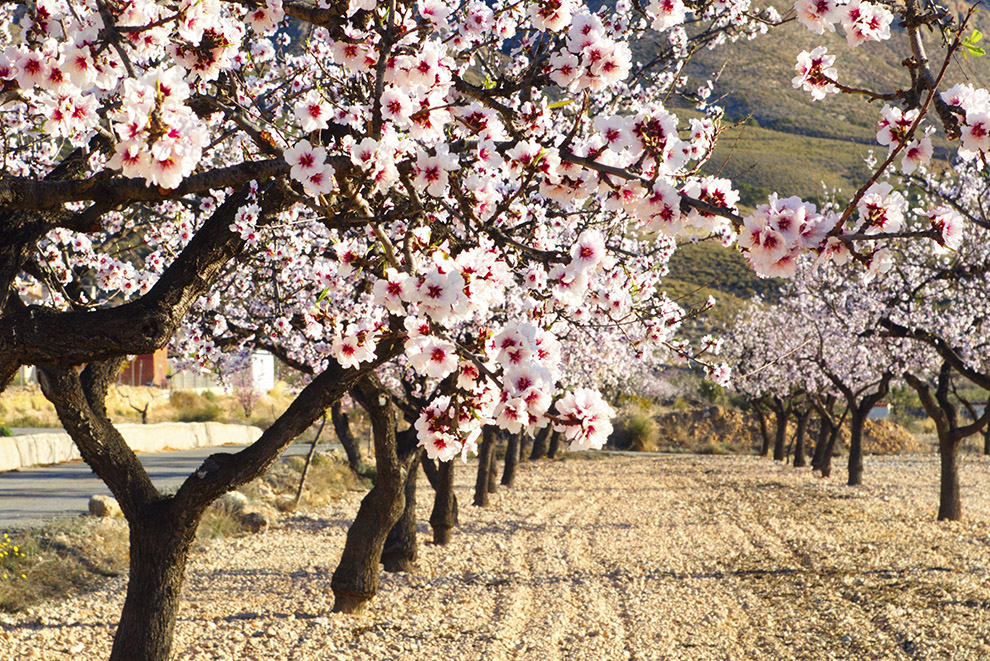
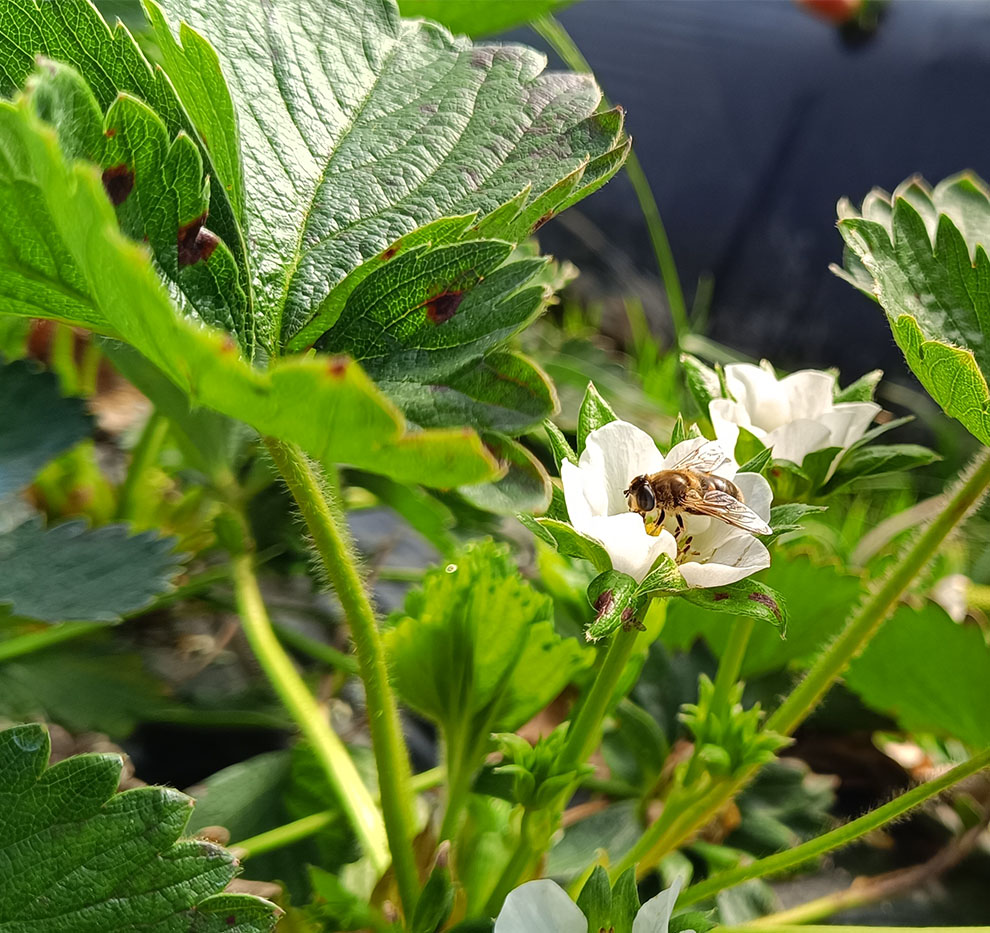
Our hoverflies optimize pollination across a wide variety of crops thanks to their versatility, high efficiency in pollen transfer, and their ability to visit hundreds of flowers each day in diverse environments.
Advantages
- ✓ Very effective cross-pollination agent.
- ✓ Low floral discrimination. Frequent visits to a wide variety of flowers.
- ✓ Hoverflies remain active and efficient even under adverse weather conditions such as high or low temperatures, wind, or cloud cover.
- ✓ Large and hairy body. High pollen load.
- ✓ Adaptable and resilient. Works well indoors and outdoors.
- ✓ Harmless and easy to use. Does not sting, not aggressive, free of pathogens. Compatible with other pollinators and beneficial insects.
News & Events
Learn with us all about hoverflies.
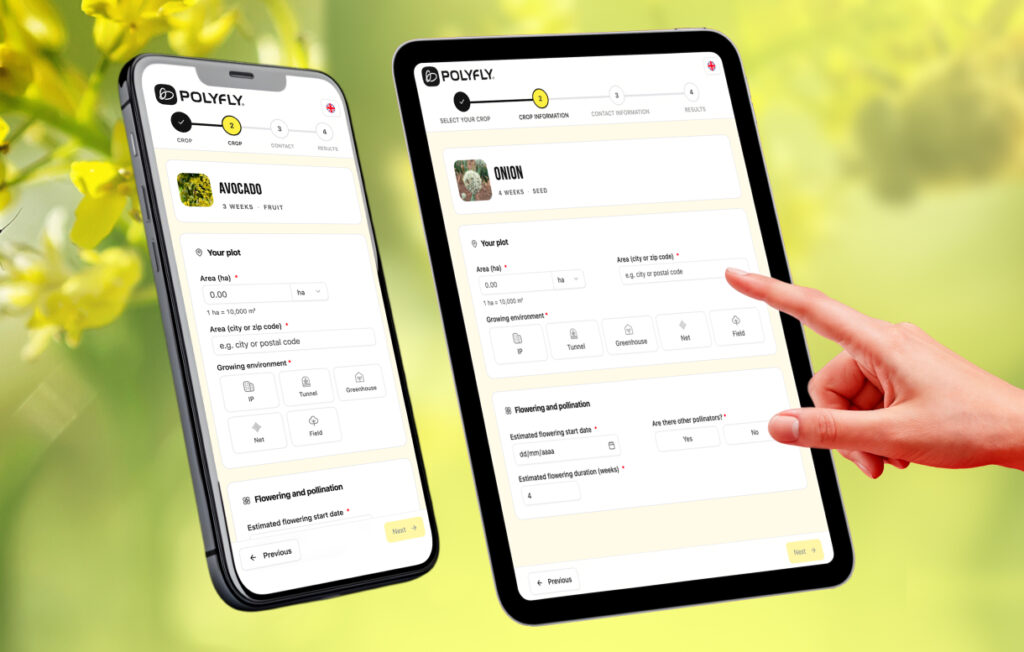
How Polyfly’s calculator works: the first step toward precision pollination
Every crop is unique: the plant type, the environmental conditions and the characteristics of flowering determine how many pollinators you need and how releases should be planned. In nature, no two blooms are identical. The plant type, the microclimate of the greenhouse or plot, and the anatomical particularities of each flower shape how pollination will […]
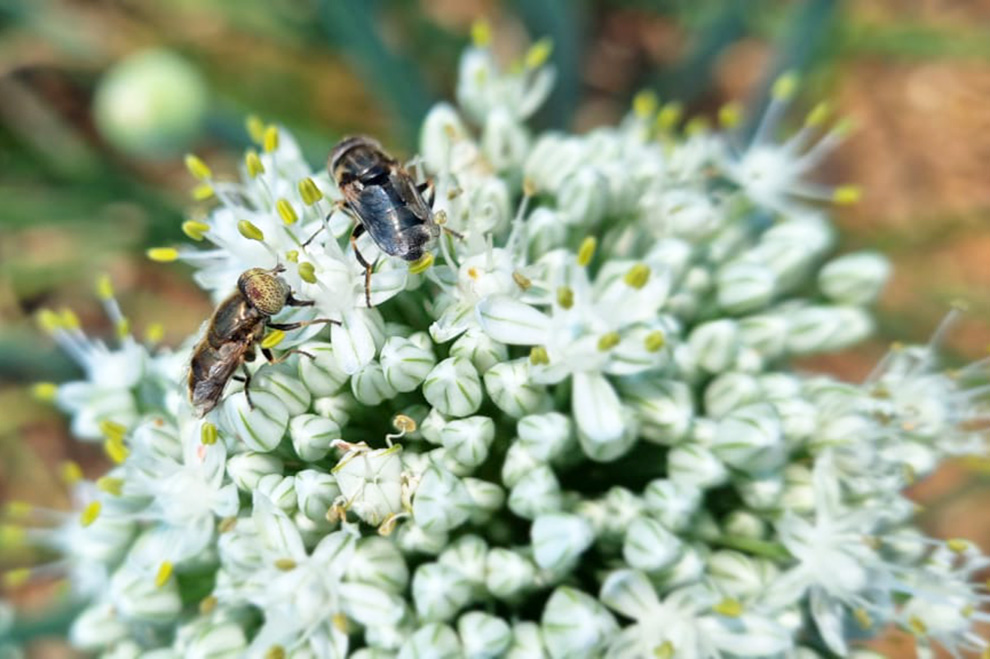
Polyfly hoverflies are already pollinating onion and carrot in South Africa
Spring is advancing in the Southern Hemisphere, bringing with it a key moment for agriculture: the flowering season in South Africa. Our hoverflies are already at work in the field to achieve maximum pollination efficiency in essential crops such as onion and carrot. High-quality seed production leaves no room for improvisation. Whether in open fields […]
Frequently asked questions
What is a pollinating hoverfly?
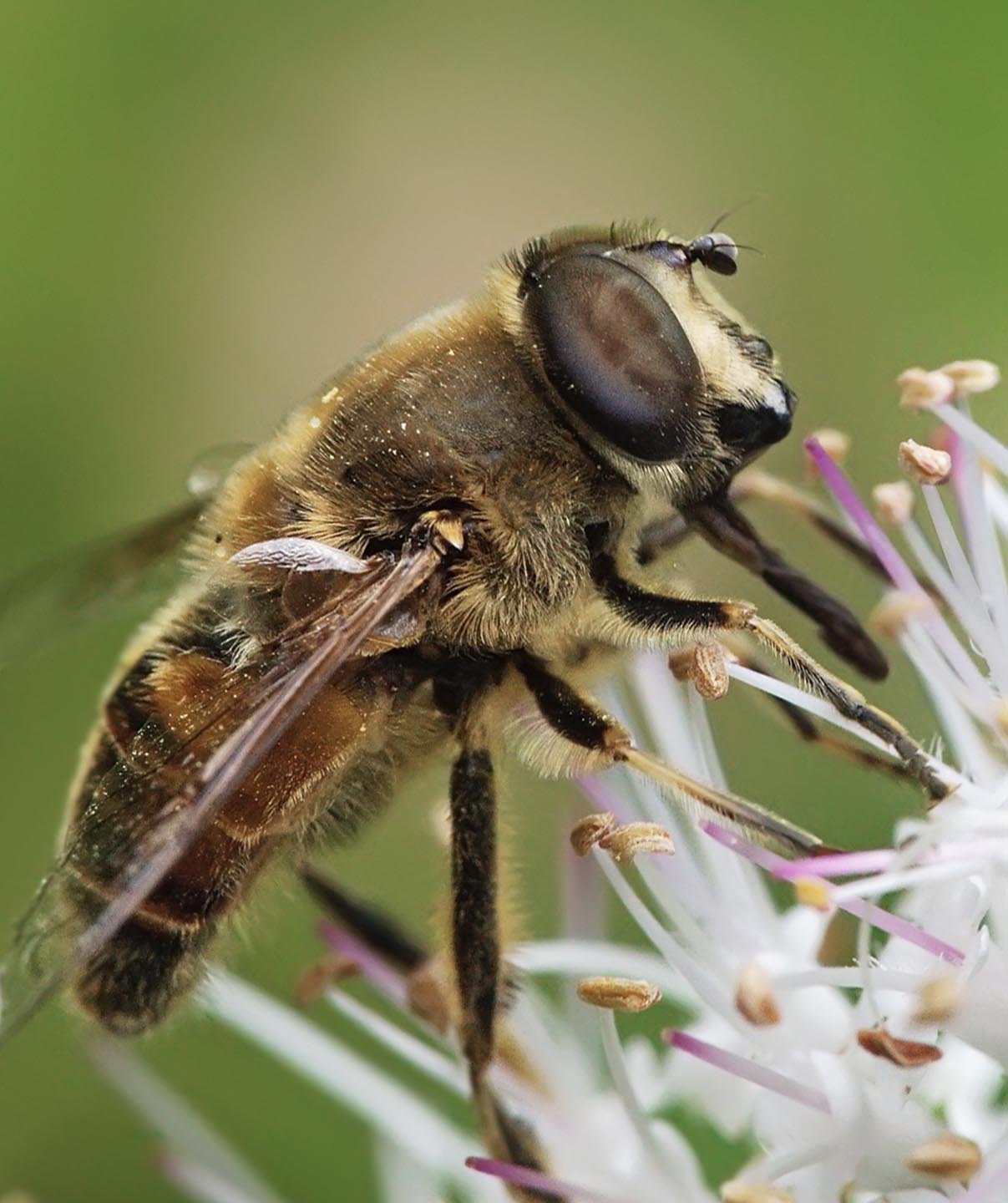
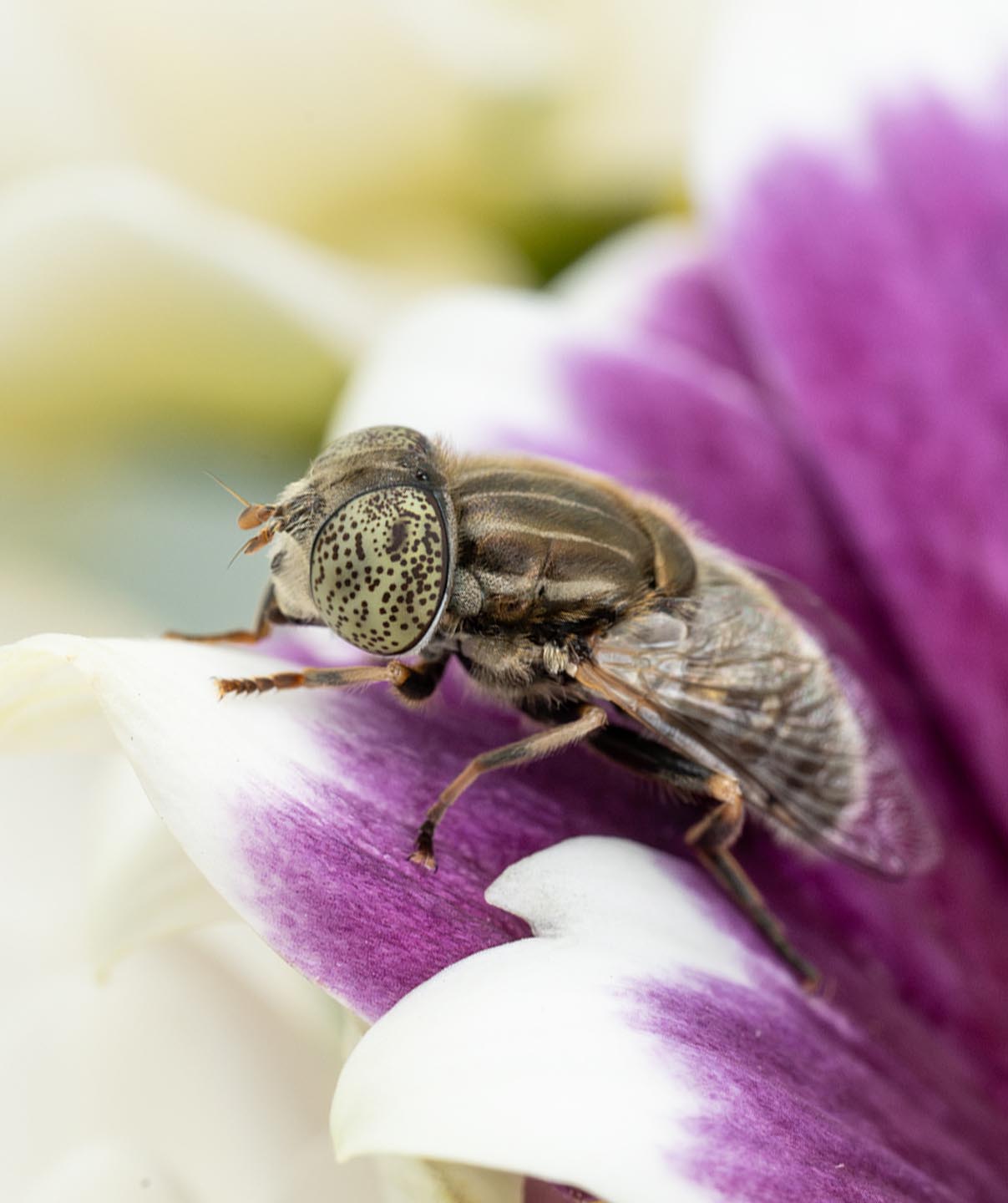
The hoverfly, also known as the “flower fly”, is a generalist pollinator that significantly improves the yield and quality of seeds and fruits. At Polyfly we offer two species: QUEENFLY® (Eristalis tenax), one of the most abundant natural pollinators on the planet, and GOLDFLY® (Eristalinus aeneus), able to pollinate a wide variety of crops.
In which formats can I receive Polyfly hoverflies?
We have different presentations, from 50 to 20,000 pupae, in recyclable and ready-to-use boxes (XS, S, M, L and XL).
GOLDFLY®
| Format | Pupae | Dimensions (cm) |
|---|---|---|
| XS | 100 | 5 × 5 × 6 |
| S | 200 | 6 × 6 × 8 |
| M | 1,000 | 14 × 10 × 7 |
| L | 5,000 | 40 × 30 × 7 |
| XL | 20,000 | 60 × 40 × 7 |
QUEENFLY®
| Format | Pupae | Dimensions (cm) |
|---|---|---|
| XS | 50 | 5 × 5 × 6 |
| S | 100 | 6 × 6 × 8 |
| M | 500 | 14 × 10 × 7 |
| L | 2,500 | 40 × 30 × 7 |
| XL | 10,000 | 60 × 40 × 7 |
When should I start releasing hoverflies?
It is essential to carry out the first release at the start of flowering. This way, the adult hoverflies that emerge will immediately find nectar and pollen, the food they need for their development and to begin their pollination work.
How do I know whether to choose QUEENFLY® or GOLDFLY®?
The choice depends mainly on the climate and the flowering period of your crop. QUEENFLY® is the ideal option for cooler temperatures (10–30 °C), such as in winter or early spring. GOLDFLY® performs at its best in warm conditions (16–36 °C), making it perfect for spring and summer. Talk to your sales representative to make sure you choose the right one.
What density of hoverflies should I use?
The recommended dose for each crop depends on several factors (crop type, conditions, etc.). Consult our technical team for a personalized recommendation and to ensure maximum effectiveness. For an estimate you can also check our Calculator.
Can I combine the hoverflies with other pollinators such as bees or bumblebees?
Absolutely! The hoverflies are fully compatible and, in fact, are the perfect complement to bumblebees and other bees. Their different flight behaviours and preferences ensure more complete and efficient pollination of the entire crop.
What is more, the main advantage hoverflies have over other pollinators is that they are especially effective in crops where other pollinators have limitations. They adapt well to different production systems, such as greenhouses, tunnels, shade netting or open field. In addition, they complement the action of bees and bumblebees, improving floral coverage and favouring a more uniform, higher-quality fruit set.
How should I release the hoverflies in my crop?
We recommend carrying out at least two releases: one at the start of flowering and another after a week or every 15 days, to synchronize the insects’ activity with the flowering peak. This planning depends on the crop type and the duration of the flowering period.
Polyfly boxes are designed with release windows to facilitate the emergence of the insects. To open them correctly, press the indicated opening point and pull the cardboard window outwards until it is fully unfolded. It is important to open the release windows on both sides of the box to allow a homogeneous exit of the adults and to improve the internal ventilation.
How can I tell if pollination is working?
A few days after placing the boxes you should be able to observe the adult hoverflies flying actively around the crop and visiting the flowers, especially during the central hours of the day. In the long term, the definitive proof will be a good fruit set and an improvement in the quality and yield of the harvest.
We help you with your pollination strategy
Discover the efficiency of pollination with hoverflies today and experience the power of hoverflies.
Contact us now